

I remember the exact moment I realized my business was invisible on the map—literally. Sitting at my desk, frustrated, after spending hours trying to fix my Google Maps ranking, I discovered I had overlooked some critical mistakes that even experts still make today. It was that lightbulb moment that transformed my approach and, ultimately, my results.
The Critical Why Behind Local Pack Mistakes in Charlotte and Beyond
If you’re like me, you’ve probably noticed that despite pouring time and resources into your SEO, your business still isn’t showing up where it counts — right in that coveted Google 3 Pack. And honestly, this is a problem that can hold you back from generating new leads and clients, especially in rapidly growing markets like Charlotte, North Carolina.
Local SEO isn’t just about ranking—it’s about visibility, trust, and getting those local calls that turn into foot traffic or booked appointments. According to recent studies, 78% of local mobile searches result in an offline purchase—so if your shop isn’t showing up, you’re leaving money on the table.
But here’s the kicker: many business owners are unknowingly sabotaging their own success with simple yet overlooked mistakes. I learned this the hard way early in my journey, assuming that simply having an Google Business Profile was enough. Spoiler alert: it’s not. As I dug deeper, I found out that even tiny missteps can wipe out your chances of cracking into the local pack.
Is SEO Just a Fad, or Really Worth the Hassle?
I used to think that investing in local SEO was optional, especially when big brands dominated the search results. But skipping strategic MAPS optimization? That was a costly mistake I paid for. What I’ve learned is that mastering these vital signals is what separates the businesses that get leads from those that disappear into the digital noise.
If you’ve been frustrated by your map ranking tanking or simply aren’t sure why your competitors keep popping up ahead of you—trust me, you’re not alone. The good news is, these pitfalls are fixable. We’ll walk through the top mistakes—and more importantly, how you can avoid them—to boost your visibility fast.
Are you ready to uncover what’s really holding your business back from ranking higher? Let’s get started and turn your local map into a lead-generating machine!
Optimize Your Business Profile for Local Success
The first step I took was claiming and fully optimizing my Google Business Profile. This isn’t just about listing your information; it’s about making your profile irresistible to Google and attractive to potential customers. Ensure your NAP (Name, Address, Phone number) is consistent across all platforms, use high-quality images, and fill out every available field with relevant keywords that match your services and location.
Consistent and Accurate Listings Matter
I once discovered my NAP was inconsistent across directories, causing confusion for Google and customers alike. I systematically audited all citations and corrected discrepancies, which immediately improved my local visibility. To do this effectively, check your listings on major directories and coordinate updates with your website data. For detailed citation strategies, visit this guide.
Leverage Hyper-Targeted Keyword Maps
Next, I focused on keyword optimization that targets local intent. Think of your keywords as signals sent directly to Google Maps — phrases like “Charlotte coffee shop,” or “best bakery near Uptown Charlotte.” Incorporate these into your business description, services, and posts. But avoid keyword stuffing; instead, weave them naturally into your content.
My breakthrough came when I added location-specific keywords into my service descriptions, which helped Google associate my shop with those local searches. For a detailed approach, check out this resource.
Build Local Signals Through Reviews and Engagements
Reviews act as social proof and powerful ranking signals. I reached out to satisfied customers for reviews, making sure to gently encourage mentions of specific local keywords and landmarks. Responding to reviews also signals active engagement to Google, which favors active businesses in the 3-pack.
During one hectic week, I personally responded to every new review, turning even negative feedback into positive interactions. This increased my review count substantially. For tips on managing reviews and reputation, browse this guide.
Optimize Your Website for Local Maps
Your website needs to support your local SEO efforts. Include your city and neighborhood in page titles, headers, and meta descriptions. Embed a Google Map with your exact location. Also, structured data markup (like schema.org) can tell Google exactly where you are and what you do, increasing the chances of appearing in the local pack.
I once added local schema to my homepage, and within two weeks, I noticed a jump in local pack visibility. To learn how to implement schema effectively, visit this page.
Consistent Content and Engagement
Finally, I created a content calendar focusing on local events, news, and niche keywords relevant to Charlotte. Regular blog posts, social media check-ins, and community involvement signals show Google that my business is vibrant and locally relevant. An example: I used to post weekly about local events, which uniquely positioned my shop as part of Charlotte’s community fabric. This strategy consistently drew local interest and boosted my rankings.
To master content optimization for local packs, explore this guide.
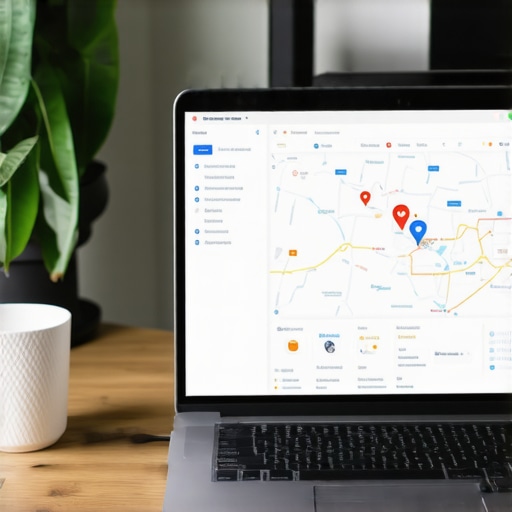 Many business owners in Charlotte and across North Carolina operate under a common misconception that merely claiming and optimizing their Google Business Profile is enough to rank in the coveted 3 Pack. While foundational, this approach overlooks nuanced signals that actually determine visibility. For example, some assume that consistent NAP information suffices, but recent studies suggest that Google’s algorithm heavily weighs engagement metrics, such as review velocity and user interaction patterns, far beyond static citations. An advanced mistake I often see is over-focusing on keyword stuffing within profiles or website metadata, which can trigger algorithmic penalties instead of boosts. Instead, leveraging latent semantic indexing (LSI) keywords and contextual signals can help you stand out authentically. According to SEO expert Mike Blumenthal, “it’s the behavioral signals that clinch the top spots, rather than just keywords or citations alone.” Therefore, integrating engagement-driven strategies like local content marketing and active review management are crucial.
How can you identify which signals truly matter for your niche in Charlotte?”
To master these fine distinctions, it’s essential to stay updated with Google’s evolving local SEO signals. For a comprehensive approach, I recommend exploring my guide on getting found with advanced local SEO tactics, and connecting with specialists if you’re unsure where your current strategy falls short. Remember, the map to success isn’t just about your listing — it’s about mastering the full ecosystem of local signals that Google rewards. Have you ever fallen into this trap? Let me know in the comments.Staying ahead in the competitive landscape of Charlotte business SEO requires more than just initial setup; it demands consistent maintenance and the use of specialized tools that can give you an edge. One powerhouse tool I swear by is BrightLocal. I personally rely on BrightLocal’s reputation management suite to monitor reviews, track local rankings, and audit citations regularly. Its automated reporting helps me identify dips in my local pack visibility before they become lasting issues, allowing for timely fixes. Additionally, SEMrush’s local SEO tools are invaluable for keyword tracking and competitor analysis, giving me insights into which keywords my competitors are ranking for and uncovering new opportunities for content and map optimization. For technical SEO health, I turn to Screaming Frog to crawl my website periodically, ensuring my structured data remains intact and free from errors that could impair Google Maps signals. Regular audits with these tools help me stay on top of evolving algorithms, especially as Google continues to tweak the signals that influence the coveted Google 3 Pack. Looking ahead, I predict that local SEO will increasingly incorporate AI-driven insights, making automation and real-time monitoring even more critical for Charlotte businesses aiming for sustained visibility. So, if you’re serious about keeping your map rankings in top shape, I highly recommend setting up a routine using these tools to monitor your local signals consistently. For actionable tactics on how to do this effectively, check out this guide. Try integrating BrightLocal’s review monitoring today to start catching review fluctuations early — it’s a game-changer.
What Nearly Cost Me the Top Spot and the Lessons Behind It
One of my hardest-earned lessons was realizing that even the smallest oversight in my local SEO efforts could wipe out my rankings entirely. I once thought that just filling out my Google Business Profile was enough, only to discover that inconsistent citations and neglected reviews were sabotaging my visibility. That wake-up call taught me to prioritize continuous audits and engagement, understanding that local SEO is an ongoing journey rather than a one-time setup.
Where the True Power Lies for Local Success
Beyond the basics, I learned that leveraging hyper-local keywords, engaging with community events, and actively managing reviews create nuanced signals Google values highly. This holistic approach transformed my strategy from basic listing optimization to becoming a trusted, recognizable local authority, which significantly improved my Google 3 Pack rankings in Charlotte.
Tools and Resources That Elevated My Game
My go-to tools—BrightLocal for reputation and citation monitoring, SEMrush for competitor insight, and Screaming Frog for technical health—are vital for maintaining a competitive edge. These resources give me real-time data and actionable insights, enabling me to adapt swiftly to algorithm changes and maintain top-tier local pack visibility.
Why Your Map Visibility Can Skyrocket Today
Take action now by auditing your citations, engaging actively with customer reviews, and optimizing your website for local signals. Consistency, community involvement, and technical precision are your best allies. Remember, mastery of local pack ranking is within your reach, and with determined effort, your business can dominate Charlotte’s market landscape.
Lessons I Wish I Had Known Sooner
- Smarter citation management and consistent NAP details are more powerful than I initially believed. Overlooking this was my first big mistake.
- Active engagement through reviews and community involvement signals trustworthiness to Google — neglecting this slowed my rankings.
- Using advanced tools for regular audits and competitor analysis provided insights that plain optimization missed, dramatically boosting my results.
My Favorite Tools for Local Map Mastery
- BrightLocal: Essential for reputation management and citation audits, keeping my profile optimized without guesswork.
- SEMrush: Offers valuable insights into local keyword opportunities and competitor strategies, essential for strategic planning.
- Screaming Frog: Ensures my website’s technical health, helps identify schema and structured data issues that could hurt my local pack presence.
This Is Your Moment to Dominate Charlotte’s Local Search
Now’s the time to implement these proven strategies and tools. Your local map visibility isn’t static—it evolves with your efforts. Be proactive, stay consistent, and embrace the learning process. Your business can be the neighborhood’s go-to spot, thanks to smarter local SEO tactics. What’s the first step you’ll take to elevate your Charlotte business’s local pack ranking? Share your plans below and let’s grow together!