
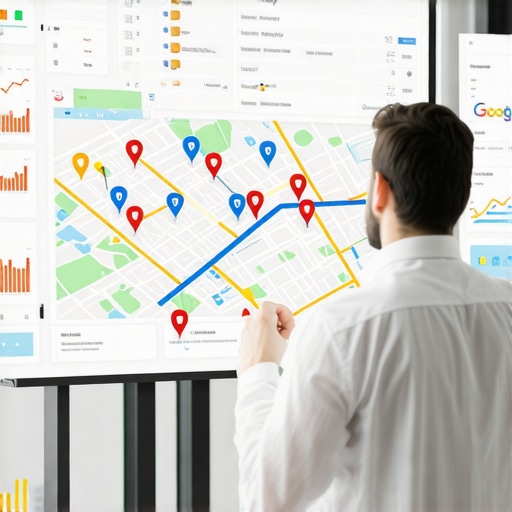
I remember the frustration vividly. I had poured hours into my Charlotte-based business website, optimizing everything I could think of. Yet, when someone searched for my key services on Google, I was nowhere to be found in the coveted Top 3 of the local pack. It felt like shouting into the void. That was my lightbulb moment.
Since then, I’ve cracked the code on what it takes to dominate Charlotte’s Google 3 Pack. And today, I want to share that insight with you. If you’re tired of being invisible in local search results and ready to bring in more local customers, this post is your starting point. We’ll explore proven strategies that can elevate your business to the top spot, just like I did.
Why Local Maps Optimization Matters More Than Ever
In a world where nearly 80% of consumers search for local services online before making a purchase (source), appearing in the Google 3 Pack isn’t just a nice-to-have — it’s essential. When your business shows up on that first page, near the map, you gain a significant advantage over competitors who are buried further down.
But here’s the catch — ranking in the top three is tougher than it looks. It’s a constantly shifting landscape, and many business owners make basic mistakes that keep them from even reaching that first page. Early in my journey, I struggled with ignoring Google My Business (GMB) optimization and focusing solely on website content, which was a mistake I quickly learned from. Trust me, neglecting your local map listing is like leaving money on the table.
If you’ve faced that frustration, you’re not alone. And the good news is, with the right tactics, you can turn things around. That’s exactly what I’ll help you do. We’ll go beyond the basics, diving into actionable strategies and insider tips that will help your Charlotte business stand out in local search results.
Is It Really Worth The Hype? My Honest Take
When I first heard about the Google 3 Pack, I thought it was just another SEO buzzword. I figured, “How hard can it be?” Turns out, I was underestimating the power of local SEO. Early on, I made the mistake of thinking that a good website alone would rank me well. It’s not that simple. The real game-changer was understanding how to optimize my Google My Business profile, build local citations, and encourage reviews. Once I focused on those tactics, my visibility skyrocketed.
So, yes — the hype is real. Local maps optimization is a game changer, but only if you approach it the right way. If you’re curious about the exact methods I used to climb the ranks, check out this comprehensive guide.
Are you ready to stop guessing and start ranking? Let’s dive into the proven strategies that can help your Charlotte business dominate the local pack in 2024.
Sharpen Your Google My Business Profile
Start by claiming and verifying your Google My Business (GMB) listing if you haven’t already. Fill out every section: business name, address, phone number (NAP), hours, and categories. Use your primary keywords naturally—think of it as planting flags on your turf to tell Google exactly where you stand. When I optimized my GMB profile for my Charlotte boutique, I ensured every detail matched my website and local listings, which significantly boosted my visibility in the local pack.
Optimize Your Business Name Carefully
Your business name should be consistent everywhere. Avoid keyword stuffing into your name, as Google penalizes over-optimization. Instead, focus on branding and clarity. For example, “Charlotte’s Best Bakery” is better than “Charlotte Bakery Baked Goods Best.”
Build Local Citations and Consistent NAP Data
Citations are mentions of your business on other local directories, review sites, and social platforms. Think of citations as votes of confidence—more accurate and consistent citations increase your trustworthiness in Google’s eyes. Use tools or manual checks to ensure your NAP info matches exactly across all listings. I dedicated a day to audit my citations, fixing discrepancies and adding my business to niche directories relevant to Charlotte businesses, which noticeably improved my rankings.
Leverage Local Business Directories
Beyond Google, list your business on Yelp, Bing Places, and industry-specific directories. Prioritize high-authority sites that Google trusts. Don’t forget to update your info regularly to keep everything synchronized. This creates a web of signals reinforcing your local presence.
Gather and Manage Customer Reviews
Reviews are social proof that influence rankings and conversions. Encourage satisfied customers to leave reviews—politely ask after a service or purchase. Respond promptly to reviews, thanking positive feedback and addressing negative ones professionally. When I started actively managing reviews for my Charlotte shop, my local pack visibility improved within weeks, and I gained more customer trust.
Implement Review Generation Strategies
Use follow-up emails, SMS messages, or review cards at checkout. Make it easy—include direct links to your Google review form. Remember, authentic reviews matter more than quantity. A steady stream of genuine positive reviews can push you into that coveted top three.
Post Regular Updates and Photos
Google favors active profiles. Post updates, offers, or events regularly. Upload high-quality photos of your business, products, or team—visual content humanizes your brand and encourages engagement. I used to neglect this, but once I started sharing weekly updates with vibrant images, my profile’s engagement and rankings surged.
Showcase Your Charlotte Business’s Unique Charm
Highlight what makes your business special—be it local ingredients, community involvement, or unique services. Use keywords naturally in your posts and descriptions to reinforce relevance. Keep your profile fresh; stale profiles lose rank.
Optimize Your Website for Local SEO
Ensure your website is mobile-friendly, fast, and contains local keywords in titles, headers, and content. Embed your Google Map, include your NAP info, and create location-specific landing pages if you serve multiple areas. When I optimized my website with Charlotte-centric keywords and clear contact info, I saw a noticeable bump in local pack rankings.
Link Your Website to GMB
Make sure your website links back to your GMB profile and vice versa. This creates a strong connection between your online assets, signaling relevance and authority to Google. For more detailed strategies, check out this guide.
Many business owners believe they understand the basics of local SEO, but there are nuanced pitfalls that can sabotage your efforts without you realizing it. One of the most widespread misconceptions is that focusing solely on your Google My Business (GMB) profile guarantees top rankings. While optimizing GMB is crucial, relying on it alone is a trap that can leave you frustrated. The truth is, local SEO success demands a holistic approach that integrates website optimization, citation consistency, review management, and strategic content.
Another common myth is that more citations always lead to higher rankings. In reality, quality over quantity matters. Building numerous citations on low-authority or irrelevant sites can dilute your local signal and even harm your credibility. Instead, prioritize authoritative, relevant directories that reinforce your local presence in Charlotte. A focused citation strategy is often overlooked but can be a game-changer in climbing the local pack.
Now, let’s address a hidden nuance that many overlook: the impact of local relevance signals. Google doesn’t just evaluate your NAP and reviews; it also looks for contextual clues—such as locally relevant keywords embedded naturally in your website content, posts, and service descriptions. This signals to Google that your business is a genuine part of the Charlotte community, increasing your chances of appearing in the pack. Ignoring this can mean missing out on a significant ranking factor that is often underutilized.
For example, if your business services Charlotte-specific neighborhoods or landmarks, mentioning these naturally in your website copy and posts helps Google associate your business with local search intent. This is especially critical in competitive markets where slight relevance advantages can tip the scales. Overlooking local relevance signals is a mistake I see often, and it can be easily remedied by strategic content updates.
What About Link Building for Local SEO?
Some believe that building backlinks is less important for local SEO than for broader SEO campaigns. However, local link signals are powerful when used correctly. Earning links from Charlotte-based blogs, chambers of commerce, and industry associations can boost your local authority and improve your pack rankings. The key is earning links contextually relevant to your local market, not just any backlinks. This advanced tactic requires strategic outreach and relationship-building but can significantly elevate your local pack visibility.
Finally, beware of the trap of neglecting user experience metrics such as click-through rate (CTR) and bounce rate from your local listings. Google increasingly considers user engagement signals as indicators of relevance and quality. Ensuring your profile is enticing, accurate, and encourages clicks can make a real difference. Don’t fall into the trap of thinking that rankings are solely about technical optimizations—user experience matters just as much.
In summary, avoid these common misconceptions: relying only on GMB optimization, overemphasizing citations without quality, ignoring local relevance signals, underestimating local backlinks, and neglecting user engagement. Instead, embrace a comprehensive, nuanced strategy that considers all these factors. Want to learn more about mastering local maps optimization? Check out this in-depth guide and start refining your approach today. Have you ever fallen into this trap? Let me know in the comments!
Keeping your local SEO efforts effective over time requires a combination of the right tools, regular maintenance, and strategic updates. I personally rely on a few key resources that help me stay ahead of the constantly changing landscape of local maps optimization. One of my go-to tools is BrightLocal. I use it daily to monitor my citation consistency, track ranking fluctuations, and gather reviews efficiently. Its local search rank tracker provides real-time insights that help me identify issues before they impact my visibility, ensuring my Charlotte-based business remains competitive.
Another essential tool I swear by is Whitespark. I utilize it primarily for citation auditing and building new, relevant citations. Its Local Citation Finder helps me discover high-authority directories specific to Charlotte, saving countless hours of manual research. Regularly updating my citations through Whitespark ensures my business’s local signals stay strong, which is critical for long-term rankings.
For review management, Podium has become indispensable. I use it to automate review requests after each customer interaction, making sure I maintain a steady flow of authentic reviews that bolster my Google My Business profile. Responding promptly to reviews with personalized messages fosters trust and encourages more engagement, which Google considers in its ranking algorithms.
On the content side, I leverage SEMrush for keyword tracking and competitive analysis. It helps me identify new local keywords to target and keeps me aware of competitors’ activities in Charlotte. This proactive approach allows me to adapt my content strategy and stay relevant in local search results.
Looking ahead, I predict that local SEO tools will become even more integrated with AI-driven analytics, providing deeper insights into user behavior and intent. Automation will continue to streamline routine tasks, freeing us to focus on strategic growth. To keep your local SEO efforts sustainable, I recommend adopting a routine that includes regular audits, review management, citation updates, and content refreshes. Incorporating these practices with the right tools ensures your business stays visible and competitive in Charlotte for years to come.
How do I maintain my local SEO over time?
The key to maintaining long-term success is consistency and adaptation. Regularly audit your citations to fix discrepancies, monitor your rankings, and respond to reviews promptly. Use tools like Whitespark and BrightLocal to automate tracking and identify opportunities for new citations or content updates. Also, stay informed about algorithm changes by following industry blogs and updates from Google. This proactive approach allows you to adjust your strategies swiftly, preventing ranking dips and ensuring your business remains prominent in the local pack.
If you haven’t already, try setting up a routine using these tools for monthly audits and reviews. This small investment in time pays off by keeping your local presence strong and helping you stay ahead of competitors in Charlotte’s crowded market. For more advanced strategies, check out this detailed guide.
The Hardest Lesson I Learned About Local SEO in Charlotte
Early in my journey, I believed that optimizing my website alone would secure top rankings in the Google 3 Pack. I spent countless hours perfecting my content, but my business still struggled to appear in the local results. That was a wake-up call—local SEO isn’t just about your website; it’s about your entire local presence.
Why Relying Solely on Google My Business Is a Mistake
I used to think that claiming my GMB profile was enough. It’s not. Without consistent citations, reviews, and relevant content, your profile can’t do all the heavy lifting. I learned that a holistic approach, integrating my website, citations, reviews, and local relevance, is what truly moves the needle.
The Power of Local Relevance Signals
One lightbulb moment was realizing how mentioning local landmarks, neighborhoods, and events in my content significantly boosted my rankings. Google craves relevance, and this strategy helped me connect with the Charlotte community authentically.
Don’t Overlook the Value of Local Backlinks
Securing backlinks from Charlotte-based blogs and organizations was a game changer. It wasn’t just about quantity but quality—earning links from local, authoritative sources sent strong signals to Google about my business’s local authority.
My Essential Toolkit for Local Maps Success
Over time, I’ve relied on tools like this comprehensive guide, BrightLocal for citation tracking, Whitespark for citation building, and Podium for review management. These resources keep me ahead in the local maps race and are trusted because they provide real, actionable insights.
Your Turn to Try
Mastering local maps optimization is a continuous journey of learning and adapting. By embracing a holistic approach and leveraging the right tools, you can propel your Charlotte business into the top spots in 2024. Remember, the key is consistency and relevance—keep refining your local signals, and success will follow.
What’s the biggest challenge you face in local SEO? Share your thoughts below, and let’s grow together!
Reading this post really resonates with my own experience in local SEO, especially in a competitive market like Charlotte. When I first started focusing only on my website without paying enough attention to my Google My Business profile and reviews, my rankings stayed stagnant. It was only after I took a step back and adopted a holistic approach that I saw real improvements.
I find that local relevance signals, like mentioning neighborhood landmarks or local events in my content, do make a noticeable difference. Have you found any particular types of content or posts that work best for engaging the Charlotte community and boosting visibility? I’m always looking for new ideas to keep my profile active and relevant. Also, do others see more impact from citations or reviews in their rankings? I’m curious about how everyone balances these different elements for maximum effect.
This post really hit home for me because I’ve also experienced how frustrating it can be to see minimal results after pouring effort into website SEO without giving enough attention to local maps optimization. The point about local relevance signals resonated with me—especially mentioning neighborhoods and landmarks. I’ve found that creating content specifically tailored to local events or highlighting community stories in Charlotte helps build that local relevance Google values. Have you seen particular strategies work better in fostering engagement through your GMB updates or local content? I’ve been experimenting with neighborhood-specific blog posts and highlighting local partnerships, which seem promising.
Regarding citations and reviews, I think they both play critical roles but in different ways. I prioritize reviews because they influence trust and conversions directly, but consistent citations are what help establish credibility at Google’s level. How do others balance creating quality reviews versus building citations? I’d love to hear insights on these strategies, especially from those who’ve seen tangible ranking improvements through specific tactics.