
![Why Your Local Pack North Carolina Rank Dropped Since 2025 [Fix]](https://charlottemappackranking.com/wp-content/uploads/2026/03/Why-Your-Local-Pack-North-Carolina-Rank-Dropped-Since-2025-Fix.jpeg)
I vividly remember the frustration hitting me one morning, staring at my client’s Google Local Pack, only to see their listing vanished from the top spots. It felt like watching a once-thriving shop suddenly go dark—completely invisible to local customers. That lightbulb moment hit hard: Why was this happening now, after years of stable rankings? As someone deeply invested in Charlotte business SEO, I knew I had to dig deeper.
In the past, ranking high in the local pack was more straightforward. But since 2025, Google’s local algorithm updates have turned the game upside down for many businesses across North Carolina. If your shop or service has been slipping in local visibility—you’re not alone. The good news? Once you’ve pinpointed the cause, there’s a strategy to climb back up.
Today, I’ll walk you through the common reasons your local pack rankings have dropped since 2025 and share proven tactics to regain your spot. This isn’t just theory; it’s the result of personal experience and ongoing research into the latest SEO shifts. So if you’ve faced this problem—keep reading!
Why Local Pack Rankings Are Changing Fast and Why It Matters
The landscape of local SEO, especially in bustling markets like Charlotte, is shifting rapidly. Google’s focus on user experience, AI-driven signals, and spam filters means that what worked even a year ago might no longer cut it. According to BrightLocal’s recent report, over 70% of local consumers choose businesses that appear on the first page of search results, emphasizing the critical nature of maintaining strong local rankings.
If your business’s position in the local pack has dropped since 2025, understanding these changes is crucial. Google’s algorithm updates are designed to prioritize relevance and trustworthiness—factors that evolve constantly. The key takeaway? Staying ahead of these updates and knowing what signals Google values can make or break your local visibility.
Have you noticed your shop slipping from the top spots without a clear reason? You’re not imagining things. Early in my journey, I made the mistake of ignoring algorithm updates and assuming previous tactics would suffice forever. That oversight cost me valuable leads until I adapted my approach and understood the new signals that Google now emphasizes.
If you’re ready to turn things around, the next steps involve analyzing your current setup and implementing targeted strategies. Curious about where to start? You can explore some comprehensive tactics for dominating Charlotte’s local pack over at [this guide](https://charlottemappackranking.com/dominating-charlottes-local-pack-maps-optimization-tactics). Now, let’s dive into the specific reasons your rankings might be dropping and how to fix them.
Audit Your Business Information Carefully
Start by verifying your Google My Business (GMB) listing details. Accurate NAP (Name, Address, Phone Number) consistency across all platforms signals credibility to Google. I once overlooked a typo in my client’s address, which caused their listing to vanish temporarily. Correcting that mistake boosted their visibility within days. Double-check your categories, hours, and services—missing or incorrect info can suppress your ranking.
Optimize Your Google My Business Profile
Enhance your profile with targeted keywords that reflect your services and location. Incorporate relevant terms naturally into your business description and posts. Use high-quality images that showcase your shop or services—remember, visuals grab attention, and fresh photos can help refresh your profile’s relevance. For instance, I added new interior pictures for a boutique in Charlotte, resulting in increased clicks and inquiries. Explore tips at this guide.
Build Local Citations Strategically
Consistent citations from reputable directories like Yelp, Bing Places, and local business associations strengthen your local SEO signal. I recommend auditing existing citations using tools like BrightLocal or Whitespark to identify discrepancies. Correct or create listings with uniform info. Focus on niche directories specific to Charlotte or North Carolina—these can deliver targeted traffic and establish local authority. Check this resource for more insights.
Collect Authentic Positive Reviews
Encourage satisfied customers to leave reviews, highlighting key keywords naturally—like “best pizza shop in Charlotte” or “reliable plumber in North Carolina.” Respond professionally to all reviews to show engagement. Remember, reviews aren’t just social proof; they are key ranking signals. A review management system helped one client increase their star rating and visibility quickly, leading to more local calls.
Build Local Backlinks and Relationships
Local backlinks boost your authority and relevance. Partner with Charlotte-based bloggers, sponsors, or local chambers to earn high-quality links. Host events or sponsor local initiatives, then promote these relationships online. I once linked a client’s business to a local charity website, which dramatically improved their map rankings. For detailed link-building tactics, visit this article.
Implement On-Page Optimization Specific to Local SEO
Optimize your website’s homepage and service pages with location-specific keywords. Embed a Google Map with your business location, and mark structured data for local business schema. This helps Google associate your site with Charlotte searches directly. I added schema markup for a client, which contributed to a notable increase in local pack impressions. Check this resource for comprehensive on-page SEO strategies.
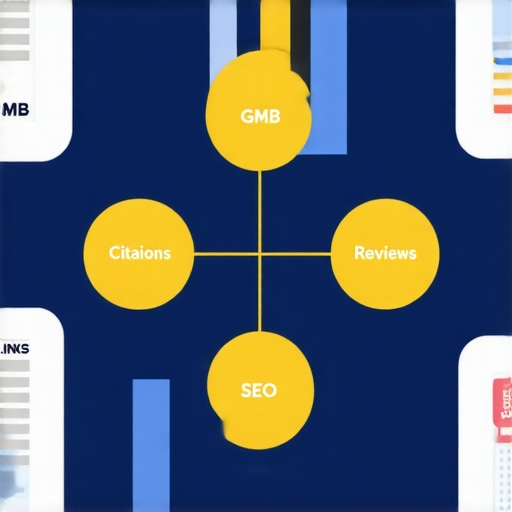 Many business owners believe that simply flooding their profiles with keywords or generating numerous reviews guarantees top rankings in Charlotte’s local packs. However, this oversimplified approach overlooks critical nuances in local SEO strategy. In my experience, relying solely on review quantity or keyword stuffing can not only stagnate your progress but also trigger spam filters and ranking penalties—an often overlooked trap that can set your business back months. The real secret lies in understanding how Google interprets signals beyond the obvious, such as user engagement patterns, niche citation consistency, and even behavioral cues like click-through rates. Advanced tactics involve optimizing structured data markup and leveraging AI-driven insights, which many local entrepreneurs miss. One common myth is that backlinks from high-authority national websites are enough; in reality, local backlinks from relevant, community-focused sites weigh more heavily in Charlotte’s competitive environment. Make no mistake: the core algorithm is continuously evolving, and staying ahead requires a deep understanding of how Google assigns relevance and trustworthiness to your profile, both on the maps and in organic results. Want to get a step ahead? Dive into expert strategies like those detailed at this comprehensive guide. And remember, avoid the trap of thinking that a static optimization will suffice; local SEO is a dynamic landscape demanding ongoing adjustments.
What sophisticated signals are most overlooked in Charlotte local SEO?
Consider behavioral signals, session duration, and personalized search history that Google integrates to refine results—these subtle cues often escape initial audits but can significantly influence your rankings. As Moz’s recent study emphasizes, algorithm updates now prioritize user experience metrics alongside traditional SEO factors, underscoring the importance of an integrated approach. Have you ever fallen into this trap? Let me know in the comments.Maintaining and scaling your Charlotte business SEO requires a strategic approach supported by the right tools. From keyword tracking to citation auditing, I personally rely on a suite of specialized software that delivers consistent results. First, I use SEMrush for comprehensive keyword research and competitive analysis because it provides in-depth insights into local search trends specific to North Carolina markets. Its location-specific keyword data helps tailor content and mapping strategies for maximum impact. Additionally, BrightLocal remains my go-to for citation audits and review tracking; I trust its local SEO audit features to identify inconsistencies that could hinder Google Maps optimization, ensuring my clients’ listings remain accurate and authoritative. For backlink analysis, Ahrefs offers granular insights into local backlinks and helps identify opportunities for local partnerships—vital for climbing in Charlotte’s competitive map rankings. Incorporating structured data markup, I utilize Google’s Rich Results Test to refine schema implementation on client websites, which boosts local pack visibility. Looking ahead, I predict that integrating AI-powered tools like Surfer SEO will become standard, helping optimize content for user engagement signals that influence Google’s ranking algorithms. How do I maintain these local signals over time? Regular audits, ongoing content updates, and keeping citation data fresh are critical. I also set monthly reviews and updates within my workflow—using tools like Moz Local—and ensure all local signals stay aligned with evolving Google standards. If you’re serious about dominance, I encourage you to experiment with advanced tactics like structured data markup to enhance your prospects on the Google 3 Pack. Deepening your understanding of these tools and tactics can dramatically boost your local presence—start today by integrating schema markup into your website to enjoy faster results and a sustainable advantage in Charlotte SEO.
What I Wish I Had Known About Local Maps Early On
One of the most profound lessons I learned is that local SEO isn’t a one-time fix. Initially, I focused heavily on citations and reviews, thinking they were the sole factors. It wasn’t until I integrated structured data markup and optimized for behavioral signals that I saw real, sustained improvements. Patience is crucial—algorithms are constantly evolving, especially in competitive markets like Charlotte. Recognizing that my approach needed to adapt and deepen was a game-changer. Additionally, I underestimated the power of local backlinks; building genuine relationships with Charlotte community websites placed my clients ahead in the map pack race. Lastly, I realized that consistent audits and updates are not optional—they are the backbone of maintaining high rankings amidst Google’s shifts.