
It was a crisp morning when I finally realized my store’s Google profile wasn’t getting the visibility it deserved. I had spent hours crafting the perfect bio, sprinkled in keywords I thought Google loved. Yet, come showdown day, my rankings in the Charlotte local pack remained stagnant—hell, they were actually slipping. That lightbulb moment hit me hard: Maybe, just maybe, I’d been missing the real secret sauce. We all want to dominate the local map in Charlotte, especially with the upcoming 2026 AI Map Filter changes that are already shaking up the SEO landscape. If you’ve ever felt like your business is invisible on maps despite pumping out endless reviews and keywords, you’re not alone. Today, I’ll share what I’ve learned from my own stumbles and how you can finally get your store noticed in the 2026 local search chaos.
The Power of a Strong Bio for Charlotte Maps
Believe it or Not, Your Store Bio Could Be Your Biggest Obstacle
One of the earliest mistakes I made was stuffing my store bio with generic keywords without tailoring it to my unique Charlotte location and niche. It may seem counterintuitive, but over-optimized or irrelevant bios can trigger filters that hide you from local maps. Google is now smarter than ever, especially with the 2026 AI Map Filter, which prioritizes authenticity and relevance over keyword stuffing. I learned this the hard way when my map visibility tanked after updating my bio with what I thought were ‘perfect’ keywords. The lesson? Your bio must speak to your actual service area, include credible signals, and avoid spammy tactics. For a deeper dive, check out how Charlotte shops are winning the local race through refined [maps optimization strategies](https://charlottemappackranking.com/mastering-maps-optimization-for-local-success-in-charlotte). Ready to make your bio work for you? Let’s look at what truly matters to boost your local presence.
Optimize Your Business Information for Local Search
Just like setting a solid foundation for a house, your business info is crucial for local SEO. Start by ensuring your NAP (Name, Address, Phone number) is consistent across all online listings. This consistency signals to Google that your business is credible and helps improve your ranking in the local pack. Also, make sure your primary category accurately reflects your services, as category signals heavily influence map rankings.
Leverage Local Keywords Strategically
Think of keywords as the GPS coordinates that guide Google to your doorstep. Incorporate geo-specific keywords naturally into your website content, especially in titles, headings, and the bio section. For instance, instead of just “Charlotte pizza,” use “Best Neapolitan Pizza in Charlotte.” This specificity helps Google match search intent with your business.
Gather and Highlight Local Reviews
Reviews are social proof clues that tell Google your shop is trusted locally. Encourage satisfied customers to leave detailed reviews on your Google My Business profile. Respond to each review to boost engagement signals. Remember, reviews mentioning specific services or neighborhoods in Charlotte are especially valuable, as they reinforce local relevance.
Build Local Backlinks and Citations
Backlinks from reputable Charlotte-based websites and publications are like trusted endorsements. Reach out to local directories, chambers of commerce, or sponsor community events to earn backlinks. Additionally, ensure your business citation profiles (Yelp, Bing Places, etc.) are complete and consistent, as discrepancies can hurt your map ranking.
Optimize for the 2026 AI Map Filter
Recent updates suggest Google increasingly values authenticity and user engagement signals. Incorporate high-quality photos, videos, and local stories into your profile. Updating these regularly signals activity and relevance. Also, consider creating localized content or blog posts emphasizing Charlotte neighborhoods, events, or local news to reinforce your community ties.
Utilize Structured Data and On-Page SEO
Implement schema markup specific to local businesses to help search engines understand your content better. Mark up your address, reviews, operating hours, and services. This technical layer can give your profile an edge, especially as Google refines its AI understanding in 2026.
Engage with the Community Offline and Online
Active participation in Charlotte’s local community—sponsoring events, charity drives, or local markets—can reflect positively in your online signals. Share these activities on your website and social media. Local engagement builds brand authority and signals to Google that your business is deeply rooted in the Charlotte area.
To see how these tactics fit into the bigger picture, explore this comprehensive maps optimization guide. Remember, consistency and authenticity are your best allies in navigating the 2026 local search landscape.
Many businesses in Charlotte believe that simply optimizing their Google My Business profile with keywords and reviews will secure top spot in the local pack. However, this oversimplification overlooks nuanced signals that Google considers crucial for ranking success, especially with upcoming AI-driven updates. In fact, overemphasizing review quantity without quality or neglecting structured data can inadvertently hurt your visibility. For instance, a common myth is that stuffing keywords into your bio boosts rankings; in reality, Google’s AI now prioritizes relevance and authenticity, which can penalize aggressive keyword stuffing (see how to unlock visibility properly). Additionally, many overlook the importance of maintaining consistent citations across North Carolina directories, which act as trust signals. Failing to synchronize your NAP details or ignoring the significance of local backlinks can result in lost opportunities, especially in a competitive Charlotte market. Moreover, advanced SEO strategies reveal that technical factors like schema markup significantly influence your map placement—yet, these are often neglected by small businesses that focus solely on reviews and keywords. It’s tempting to chase quick wins, but understanding the subtle signals that Google’s AI algorithm favors is vital. For example, high-quality local content that reflects Charlotte’s neighborhoods, events, and community stories can elevate your profile in both human and AI eyes, reinforcing your local authority. Don’t fall into the trap of relying only on surface-level tactics. Instead, invest in a comprehensive approach that addresses technical SEO, authentic engagement, and nuanced local signals. For expert insights on how to avoid these pitfalls, visit this guide on local SEO strategy. Have you ever fallen into this trap? Let me know in the comments.
Keep Your Map Rankings Steady with the Right Tools
Maintaining your position in Charlotte’s competitive local pack requires more than initial optimization; it demands consistent monitoring and adjustment. Personally, I rely heavily on BrightLocal for tracking citation consistency and review performance. Its detailed reports help me identify discrepancies across North Carolina directories that could be dragging down my rankings, aligning with insights from this detailed guide. I also use Whitespark’s Local Citation Finder to discover new high-authority local backlinks—something I’ve found essential for long-term growth and trust signals. These tools give me a clear picture of how my profiles perform over time, making it easier to spot slumps early and act proactively. As Google’s algorithms evolve, particularly with the 2026 AI Map Filter, having the latest data at your fingertips becomes crucial for staying ahead.
How do I maintain map visibility over time?
Regular updates to your Google My Business profile are key. This includes fresh photos, local news, and responding promptly to reviews. I also automate parts of this with SEMRush’s Listing Management, syncing reviews and updates across platforms to ensure consistency. Additionally, schedule quarterly audits of your NAP across all directories, making corrections as needed, which keeps your trust signals strong. With local content, like blog posts about Charlotte neighborhoods or events, you reinforce your relevance and authority, crucial as Google leans more on context and authenticity. Looking ahead, integrating advanced SEO strategies will be vital to adapt to future changes—and I recommend trying to embed structured data systematically into your website to facilitate better understanding by Google’s AI. Tools like Schema.org’s markup can give your business an edge, especially as voice search and AI-driven queries become dominant.
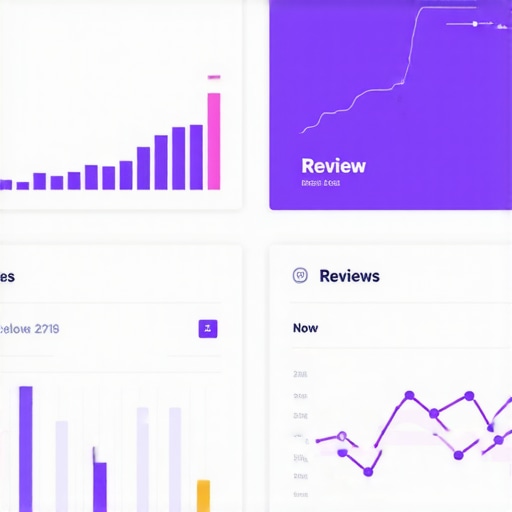
Illustration of a local SEO dashboard showing citation consistency, review analytics, and map rankings, emphasizing ongoing maintenance efforts.
Embrace a Future-Ready Approach to Local Maps
Keeping your Charlotte business visible isn’t a one-and-done task; it’s an ongoing process. The key is leveraging tools that provide real-time data and actionable insights. By automating routine updates and audits, you free up time to focus on creating local content that resonates with your community. Remember, Google’s 2026 AI Map Filter will increasingly prioritize authenticity, engagement, and technical signals over simple keyword stuffing. Therefore, integrating structured data, maintaining citation consistency, and actively managing reviews will set you apart. If you’re ready to take your local SEO to the next level, I encourage you to experiment with these advanced tactics—especially structured data—so you can stay competitive even as the landscape continues evolving. For a deep dive, check out next-level Charlotte SEO tactics and start implementing today.
What the Toughest Lessons Taught Me About Local Visibility in Charlotte
One of the most eye-opening experiences was realizing that over-optimizing my store’s bio with generic keywords not only failed to boost my rankings but actually hindered them. Google’s AI in 2026 is smarter than ever, prioritizing genuine relevance over keyword stuffing. This was a hard lesson in authenticity over superficial tactics.
Another insight was the critical importance of maintaining consistent citations across North Carolina directories. Inconsistent NAP details create trust issues with Google, and even minor discrepancies can cause your map visibility to slip away. Regular audits became a routine that kept my profile trustworthy and rank-worthy.
Lastly, I learned that technical signals like schema markup and structured data are often overlooked but incredibly powerful. Embedding local signals into my website’s code gave my business a technical boost that complemented my content and reviews, especially as Google’s AI continues to evolve.