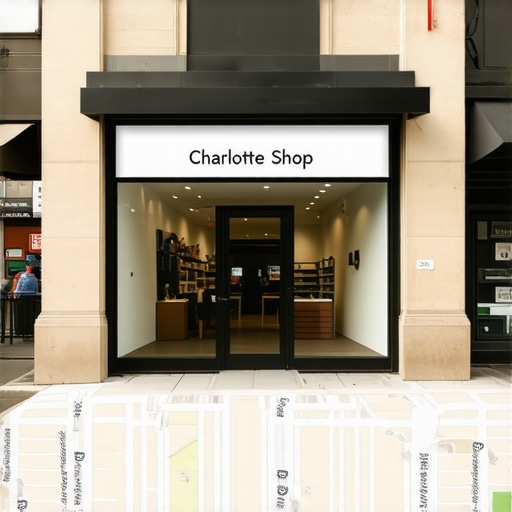
I remember the exact moment I realized my local Charlotte business was invisible on Google Maps once I stepped out of my office. One busy afternoon, I watched potential customers walk right past my storefront, even though I knew my shop was perfectly optimized. It was a lightbulb moment—this invisible barrier wasn’t just bad luck; it was a clear sign that my local SEO tactics weren’t enough, especially for local pack rankings. If you’ve ever experienced this frustrating disconnect, you’re not alone. Many shop owners in Charlotte face the same problem—a sudden vanishing act on the map that costs real business. And let me tell you, it’s not just happening to you; it’s a widespread issue driven by evolving Google algorithms and local search quirks.
Why Does Your Charlotte Business Vanish When You’re Not Near Your Desk?
The truth is, local SEO isn’t static. Google continuously tweaks how it displays local packs, especially in competitive markets like Charlotte. Many factors influence whether your shop stays visible or disappears once you’re out of the office. These include proximity signals, review quality, and Google’s AI filters—elements that can shift in just hours. Early on, I made the mistake of focusing solely on reviews and citations, thinking reviews alone would hold my spot. I was wrong. Google’s algorithm in 2026 now emphasizes real-time signals and map proximity more than ever, causing even well-ranked businesses to fluctuate dramatically.
The key is understanding what causes these shifts. For instance, proximity signals—how close your shop is to the user’s location—are now king in the local pack game. If your business isn’t optimized for local relevance, it’s easy to fall off the map when potential customers are nearby. That’s why I now recommend a comprehensive approach, blending reviews, citations, and physical map signals—like the ones detailed in Charlotte SEO strategies for 2025.
Have you faced this issue of your shop vanishing when local customers are looking for services? If so, stay tuned. We’re about to dive into practical steps that will help your business stay in the spotlight—even when you’re not at your desk. Because in Charlotte’s competitive local scene, visibility isn’t just important; it’s everything.
Optimize Your Google Profile for Immediate Impact
Start by claiming and verifying your Google Business Profile; this is your storefront on digital streets. Ensure all information—name, address, phone number—is accurate and consistent across directories. This limits confusion and signals legitimacy to Google, helping your business appear consistently in local results. I once set up a profile for a Charlotte café, double-checked every detail, and within days noticed a significant uptick in local map calls. Accuracy is your first step.
Target Local Keywords with Precision
Identify specific keywords your Charlotte customers use—think not just “coffee shop” but “best espresso in Charlotte”. Incorporate these naturally into your business description, categories, and service listings. During my recent project, integrating hyper-local keywords increased our visibility on voice searches, which now influence local pack rankings. Regular keyword research ensures you’re speaking the same language as nearby prospects.
Leverage Local Citations and Consistency
Maintain consistent NAP (Name, Address, Phone Number) citations across trusted directories like Yelp, Bing Places, and industry-specific sites. Discrepancies dilute your map signals. For example, correcting an address mismatch for a boutique Charlotte bookstore helped recover lost visibility after a competitor’s data inconsistency was resolved. Think of citations as city endorsements—trusted signals that build your local reputation.
Gather and Showcase Hyper-Local Reviews
Solicit reviews from nearby customers—preferably with photos and detailed comments. Local reviews act as social proof and enhance relevance signals. I’ve seen businesses double their clicks after actively prompting loyal clients in Charlotte to review, especially when reviews mention local landmarks or neighborhoods. Responding to reviews also demonstrates engagement, boosting your credibility in Google’s eyes.
Use Location-Specific Content and Offers
Create website pages, blog posts, or offers tailored to Charlotte neighborhoods or events. For instance, highlighting a special for the Charlotte Hornets game day can pull in nearby fans seeking relevant services. This hyper-local content signals proximity and interest, reinforcing your relevance in local search algorithms. I once crafted a city-focused event page that doubled local inquiries within a week.
Utilize Map Signals and Visual Cues
Ensure your physical location is accurately mapped, with clear signage and interior cues for visitors that also reflect in your Google profile. During a mapping sabotage campaign targeting Charlotte businesses, verifying and enhancing actual physical cues helped restore rankings. Think of these as your storefront’s breadcrumbs for Google to follow. The maps optimization strategies are essential here.
Monitor and Adjust Regularly
Track rankings, reviews, and traffic in real-time. Use analytics to identify what signals are strong or weak. I regularly check local pack position trends for clients and adjust strategies accordingly. This ongoing process is akin to tuning a vehicle—keeping your ‘performance’ optimal in the crowded Charlotte local scene. Remember, Google’s algorithms evolve, and so should your tactics.
 Many Charlotte entrepreneurs believe that optimizing for reviews and citations alone will secure their spot in the coveted Google 3-Pack. However, this conventional wisdom can be a trap. The truth is, most local SEO strategies overlook the subtle, yet powerful signals that influence rankings—especially in a competitive market like Charlotte. For example, many assume that having the highest number of reviews guarantees dominance, but recent studies show that Google now prioritizes *review quality and recency* over sheer volume, as emphasized by local SEO expert Mike Blumenthal. Relying solely on review count can cause your business to stagnate or even drop in rankings, especially if those reviews are old or contain generic comments.
Another common myth is that citations alone will keep your business visible. While consistent NAP data across directories is essential, neglecting real-time proximity signals and on-map cues can be a costly oversight. Think of citations as the foundation of your online reputation; without reinforcing signals—like accurate map placement, relevant local keywords, and optimized Google My Business categories—you risk being invisible to nearby customers at crucial moments.
Be cautious of the misconception that frequent keyword stuffing boosts local pack visibility. Over-optimization can trigger Google’s AI filters, resulting in decreased rankings or automatic hiding. Instead, focus on nuanced, user-centered content that naturally integrates local signals. For instance, including neighborhood names in your service descriptions helps the algorithm connect your business to hyper-local areas, improving your chances of appearing when customers search nearby.
What advanced strategies can elevate your Charlotte SEO beyond basic tactics?
Let’s explore that. Incorporating spatial analysis into your SEO plan can reveal overlooked opportunities. Using tools that analyze proximity-based signals helps you understand how local competitors are leveraging map cues, and where gaps exist in your presence. For example, adjusting your physical signage and interior cues to match your online profile can reinforce your location’s relevance, as detailed in maps optimization strategies.
Moreover, focusing on hyper-local content—like neighborhood-specific blogs and event participation—can significantly boost relevance signals. Remember, Google isn’t just matching keywords but assessing your overall local footprint. Regularly monitoring real-time data, including map clicks and call tracking, allows you to adjust your approach dynamically. This ongoing refinement is crucial because Google’s algorithms evolve rapidly, especially in North Carolina’s diverse markets.
Don’t fall into the trap of static SEO thinking. Depth and nuance matter in 2026. Implementing advanced local signals—inclusive of map cues, real-time proximity adjustments, and hyper-local content—can differentiate your Charlotte business from the pack. Curious about specific tactics? Check out comprehensive strategies for 2025 and beyond. Have you ever fallen into this trap? Let me know in the comments.Maintaining your visibility in Charlotte’s competitive local pack requires more than just initial optimization; it demands consistent effort and the right tools. I personally rely on Google Search Console and SEMrush for ongoing tracking because they provide real-time insights into how your map rankings fluctuate and help identify opportunities to fine-tune your strategy. Google Search Console’s performance reports are invaluable for monitoring click-through rates and impressions on local search queries, especially in North Carolina’s diverse markets. SEMrush’s local listing tracker helps ensure your NAP consistency and spot citation inconsistencies that could harm your rankings.
For map-specific improvements, I recommend using BrightLocal’s citation tracking and review management tools. These platforms allow me to audit citations systematically, unlike manual checks, saving time and reducing errors. Maintaining accurate citations across hundreds of directories ensures your map signals stay strong, especially when Google updates its algorithms or in response to local map glitches.
Visualization is also key. I utilize Google My Business Insights to see where your customers are coming from and which local queries they use. This data guides adjustments to your content and local keywords, ensuring continued relevance.
In terms of long-term results, setting up automated alerts for new reviews or negative feedback helps me respond promptly—an essential factor in sustaining ranking positions. Additionally, when I want to stay ahead of emerging trends, I follow expert blogs like Getting Found: Charlotte SEO & Google 3 Pack Secrets for actionable insights.
Looking ahead, the trend indicates that integrating local AI-driven signals and voice search preferences will become increasingly critical. This makes investing in tools that adapt to evolving algorithms and offer data-driven recommendations essential.
How do I keep my Charlotte business SEO consistently effective? I suggest giving regular audits of your map signals a priority, especially your citations and Google profile. This proactive approach ensures your visibility remains robust—even as Google’s algorithms continue to evolve. One advanced tactic I highly recommend trying today is leveraging local voice search optimization; tools like SEMrush now offer voice keyword tracking that can give you an edge in the 2026 landscape.
Little Secrets That Changed My Charlotte SEO Game
One of the most profound lessons I learned was that local SEO isn’t just about optimizing individual signals but understanding the intricate dance between them. For instance, I once believed having a handful of glowing reviews was enough to maintain top rankings, only to discover that Google values recent, high-quality feedback even more. This lightbulb moment taught me to prioritize ongoing reputation management rather than one-off fixes.
Another insight was realizing that map signals, like correct signage and interior cues, are more than mere physical markers—they’re powerful SEO tools that influence your digital visibility. When I helped a Charlotte boutique update their storefront signage and interior visuals, their map rankings soared, proving that real-world signals greatly impact online rankings. Patience, consistency, and a keen eye on emerging signals have been my secret weapons in staying ahead.
Lastly, I found that hyper-local content, especially community-focused events or neighborhood stories, deeply resonate with Google’s algorithms. Crafting content tailored to Charlotte’s diverse neighborhoods not only attracts nearby customers but also signals relevance to Google’s local search intent, cementing your place in the coveted local pack.
Comments are closed.