
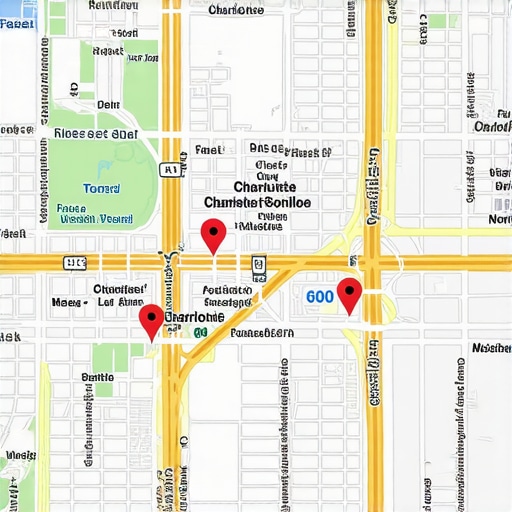
I remember the exact moment I realized my local business wasn’t showing up where I wanted it to in Google’s 3 Pack. I had spent hours tweaking my profile, updating my photos, and even running ads, but nothing seemed to push my listing to the top. Frustration brewed as I watched competitors dominate the local map results, leaving me invisible in the eyes of potential customers. That lightbulb moment made me dive deep into the world of Charlotte Maps Optimization—and what I discovered changed everything.
Why Local Map Rankings Matter More Than Ever
Getting your business into that coveted Google 3 Pack isn’t just about bragging rights; it’s about visibility, trust, and ultimately, revenue. According to Moz’s local search ranking factors, proximity, relevance, and prominence are the three pillars that determine who gets displayed. If your business isn’t optimized properly, you might be missing out on a flood of local traffic. And let’s be honest—if your competitors are ranking above you, they’re probably stealing your customers.
But here’s the thing—many local businesses make simple mistakes that keep them off the map or stuck on page two. I’ve been there, too. Early on, I believed that just having a Google My Business profile was enough. I didn’t realize that proper maps optimization is a multi-layered process that requires ongoing effort and strategic tweaks. Once I started paying attention to those details, my rankings improved dramatically.
Have you ever felt like your business is invisible online despite your efforts?
If so, you’re not alone. Many local businesses struggle because they’re unaware of the key tactics that actually move the needle. Today, I’ll share proven strategies that helped me and countless others climb the local pack in Charlotte. From optimizing your profile to local link building, these tactics are tried-and-true. Ready to stop playing hide-and-seek with your potential customers? Let’s get into the nitty-gritty of what really works.
Before I share the detailed steps, I want to emphasize one thing: avoid common pitfalls like neglecting NAP consistency or ignoring user reviews. I made those mistakes early on, and I paid the price in lost visibility. But once I corrected course, my local presence skyrocketed. If you’re serious about dominating Charlotte’s local search results, keep reading. The secrets I’ll reveal are based on real experience and industry best practices, and they can transform your local SEO game.
Now, let’s dive into the first essential tactic that will make your business stand out in Google’s local map results — because your customers are searching for you right now, and you deserve to be found.
Start with Your GMB Profile and NAP Consistency
Ensure your Google My Business (GMB) profile is fully optimized. Fill out every section, add high-quality photos, and select relevant categories. Consistency in your Name, Address, and Phone number (NAP) across all online listings is crucial. In my early days, I neglected NAP consistency, which hurt my rankings. Once I corrected this by auditing all citations and listings, I saw a quick boost in local pack visibility. Regularly update your profile with fresh content and posts to signal activity to Google.
Leverage Local Keywords and Service Areas
Identify keywords your local customers use, such as “Charlotte bakery” or “plumbing services in Charlotte.” Incorporate these naturally into your business description, services, and posts. Use location-specific keywords to tell Google exactly where you serve. I once optimized a client’s profile for broader terms, but when I refined it to include hyper-local keywords, their rankings surged. Don’t forget to specify your service areas clearly in GMB and on your website.
Gather and Manage Customer Reviews
Reviews are social proof that influence rankings and conversions. Encourage satisfied customers to leave detailed reviews. Respond promptly to all reviews, thanking reviewers and addressing concerns professionally. I made the mistake of ignoring negative reviews early on, which hurt my reputation. When I started engaging with reviews sincerely, my local credibility and rankings improved. Display reviews on your website and social media to amplify their impact.
Build Local Links and Citations
Backlinks from reputable local sources boost your prominence in Google’s eyes. Reach out to local chambers, newspapers, or business directories like Charlotte business directories to secure citations and backlinks. I once partnered with a local event, earning a citation and a backlink that significantly improved my ranking. Regularly audit your citations to correct inconsistencies and remove duplicates.
Optimize Your Website for Local SEO
Your website should mirror your GMB profile. Use schema markup for local businesses, embed a Google Map, and include your NAP details consistently. Mobile-friendliness and fast load times also matter. I improved my site’s performance and added localized content, which complemented my GMB efforts, resulting in higher rankings. Consider creating blog posts about local events or news to attract local traffic.
Monitor, Test, and Refine Your Strategy
Use tools like local SEO tracking to monitor your rankings and citations. Test different keywords, review strategies, and content approaches. I regularly tweak my strategy based on performance data, which keeps me competitive. Remember, local SEO is ongoing—continuous effort yields sustained results.
< >
>
Implementing these steps may seem overwhelming initially, but consistency and strategic effort will pay off. For tailored advice, consider consulting experts who specialize in Charlotte local SEO. Your business can rise to the top of the local map pack with a disciplined, focused approach.
Many local businesses fall into traps because they rely on popular myths or oversimplified tactics about maps optimization. Let’s dig deeper into what most people get wrong and why understanding these nuances can be a game-changer for your rankings. Contrary to popular belief, simply having a Google My Business profile or sporadically updating reviews isn’t enough to dominate the local pack. Instead, successful maps optimization requires a layered, strategic approach that many overlook.
One common misconception is that proximity alone guarantees a top spot. While proximity is a factor, Google’s algorithm also heavily weighs relevance and prominence. This means your business needs to be perceived as an authority in your niche and community, which isn’t achieved through quick fixes. Regularly updating your profile, earning high-quality local backlinks, and engaging with reviews all contribute to building that authority.
Another trap is neglecting NAP consistency. Some believe that once their contact info is updated on their website, it’s enough. But inconsistent citations across directories can actually harm your rankings. Google’s algorithm favors consistency; even a small discrepancy can send mixed signals, causing your listing to drop in local results. Regularly auditing your citations and correcting NAP inconsistencies is vital.
Why do many advanced SEO strategies fail to deliver results?
Because they overlook the importance of localized content and schema markup. These elements help Google understand exactly where and how you serve your community. Implementing structured data and creating local content that resonates with your audience can give your business a competitive edge. Experts like Moz emphasize that schema markup enhances your visibility in local search results by providing context that search engines love.
Finally, a sneaky mistake is ignoring the user experience on your website. Fast load times, mobile optimization, and clear calls-to-action are crucial. Google increasingly prioritizes user signals, meaning a well-optimized website can boost your local pack rankings even further. If you’re only focusing on your GMB profile but neglect your website, you’re missing out on a holistic boost to your local SEO.
Have you ever fallen into this trap? Let me know in the comments. For those ready to step up your game, check out Charlotte SEO strategies for 2025 and deepen your understanding of what it takes to rank higher in local search.
Once you’ve climbed the ranks in Charlotte’s local map results, the real challenge begins: keeping your business there. Consistent maintenance of your maps optimization efforts is crucial to sustain and grow your visibility. Fortunately, a handful of specialized tools and strategic methods can make this ongoing process more manageable and effective.
How do I maintain your local SEO edge over time?
First, invest in comprehensive citation management tools like BrightLocal or Whitespark. These platforms help you monitor your NAP consistency across hundreds of directories automatically, alerting you to discrepancies before they impact your rankings. I personally rely on BrightLocal because it provides detailed reports and easy citation audits, saving me hours each month.
Next, utilize Google’s own tools—specifically, Google Search Console and Google Analytics. Search Console offers insights into your local search performance, including impression and click data for your GMB profile, while Analytics reveals visitor behavior. Combining these data sources allows you to spot trends and refine your local content strategy effectively.
For review management, platforms like Podium or ReviewTrackers streamline the process of encouraging, responding to, and analyzing customer reviews. I recommend setting up automated review requests after every service, which has proven to significantly boost my local reputation and rankings. Remember, actively engaging with reviews builds trust and signals to Google that your business is active and reputable.
What’s next for local maps optimization?
Looking ahead, the trend points toward AI-driven local SEO tools that can analyze and adapt to Google’s algorithm changes in real-time. These systems will likely automate many routine tasks, such as citation updating and review solicitation, freeing you up to focus on strategic growth. Staying ahead means embracing these innovations early. Consider experimenting with tools like BrightLocal’s new AI audit features or SEMrush’s Local SEO tools to stay competitive.
In my experience, a disciplined, tool-supported approach to maintenance ensures long-term success. Regular audits, review engagement, citation consistency, and local content updates should be part of your monthly routine. Make it a habit, and you’ll preserve your top rankings even as Google updates its algorithms.
Try setting up automated citation monitoring today and see how much easier maintaining your local SEO can be. Staying proactive is the key to ongoing visibility and success in Charlotte’s competitive local market.
What I Wish I Knew About Local SEO Before It Was Too Late
- One of the toughest lessons I learned was that Google’s local pack isn’t just about having a GMB profile; it’s about strategic, ongoing effort. I wasted months focusing only on reviews and photos, but the real breakthrough came when I started optimizing citations and using local keywords consistently across all platforms.
- Failing to maintain NAP consistency across directories was a silent killer for my rankings. The moment I audited and corrected discrepancies, my visibility shot up. It’s a simple fix but one many overlook, including myself at first.
- Engaging with reviews isn’t just polite—it’s powerful. Responding sincerely to negative reviews transformed my local reputation and helped Google see my business as active and trustworthy. This was a lightbulb moment that turbocharged my rankings.
- Investing in local backlinks from trusted Charlotte sources made a noticeable difference. Securing citations with local chambers or news outlets built my authority and relevance faster than I expected. It’s about quality, not just quantity.
- Creating localized content about Charlotte’s community events and news helped Google understand my niche and community focus. This layered approach really set me apart from competitors who relied solely on basic profiles.
Tools That Turned My Local SEO From Guesswork to Strategy
- BrightLocal — I rely on it for citation audits and monitoring NAP consistency. It’s a lifesaver for keeping my listings accurate and competitive.
- Google Search Console — Provides insights on how my local searches perform and what keywords drive traffic. Knowledge is power, and this tool keeps me sharp.
- Podium — Automates review requests and responses. Building a steady stream of reviews has become effortless and highly effective.
- SEMrush Local SEO Tools — Helps me analyze competitors and identify keyword gaps. Staying ahead means constantly refining my strategy.
It’s Your Turn to Shine in Charlotte’s Local Pack
If you’re tired of being invisible online and ready to truly dominate Charlotte’s local search results, now is the moment to act. Consistency, strategic effort, and the right tools will keep your business at the top and ensure you stay there. Don’t wait for your competitors to outrank you—take control today and watch your local presence grow. Remember, your success depends on what you do now. Ready to get started? Check out my expert local SEO tips and start climbing the ranks today.
This post hits close to home for me, especially the part about neglecting NAP consistency early on. I learned that lesson the hard way when my business’s local rankings plummeted unexpectedly. Once I audited and unified my citations—which seemed tedious at first—it made a noticeable difference in visibility. It’s a reminder that even small inconsistencies across directories can cause big setbacks.
I also found that adding localized content, like blog posts about local events in Charlotte, really helps Google recognize my commitment to the community. It wasn’t until I started actively engaging with reviews and building relationships with local partners that I saw my prominence improve further.
What tools do others here recommend for keeping track of citations and reviews regularly? I’m looking to streamline that process and ensure I stay on top of my local SEO efforts without it becoming overwhelming.