
![Why Your Local Pack North Carolina Rank Stalled [2026 Checklist]](https://charlottemappackranking.com/wp-content/uploads/2026/02/Why-Your-Local-Pack-North-Carolina-Rank-Stalled-2026-Checklist.jpeg)
I remember the moment clearly—sitting at my desk, staring at my screen, frustrated as my once-promising local rankings suddenly flatlined. I’d poured hours into my Charlotte business SEO, watched my competitors climb higher, and wondered, “What am I missing?” It felt like I was invisible in the local map packs that mattered most. That lightbulb moment hit hard—failing to understand the evolving landscape of Google’s local algorithms could be my company’s downfall. Have you faced this frustrating stagnation in your map rankings? You’re not alone, and believe it or not, many local businesses in North Carolina are unknowingly making preventable mistakes that keep their rankings stuck or slipping. Today, I’ll share what I’ve learned from my own experiences and the strategies that finally helped me regain visibility and stand out in the crowded Charlotte area.
Why Your Local Pack Seems Stuck in 2026
Google’s local algorithm is always changing—making it a challenge to keep up. Early on, I was convinced that optimizing my Google My Business profile was enough. I thought keyword stuffing and a few backlinks would do the trick, but my rankings plateaued. It wasn’t until I explored dedicated local SEO strategies like Charlotte SEO strategies that I realized I’d been missing the bigger picture. The truth is, even minor oversights—such as inconsistent NAP citations or neglecting review signals—can cause your rank to stall. As I learned, staying ahead in local pack rankings requires a combination of precise map optimization tactics and understanding how Google’s signals evaluate your relevance, proximity, and prominence. Recognizing these factors helped me craft a more robust approach, and I want to help you do the same. This is especially vital now, with the latest updates in 2026 rolling out new ranking signals that can make or break your visibility if ignored.
Is Local SEO Really Making a Difference in 2026?
One mistake I made early on was dismissing the impact of reviews and real-world signals—thinking it was all about keywords and links. Turns out, neglecting customer reviews and local intent can sink your rankings fast. Recent studies show that positive reviews can boost your local pack visibility by over 20%, a statistic I wish I’d known sooner. The challenge? It’s not enough to gather reviews; you need to strategize how, when, and where you ask for them, aligning with Google’s evolving criteria. If you’re wondering whether investing time in local SEO tactics still pays off, I get it. It’s a common skepticism among small business owners who’ve seen rankings go up and down without clear reasons. I’ve been there—and I want to assure you, with the right approach, your visibility can rebound and even thrive in 2026.
Claim Your Business Listing Correctly
First, ensure your Google My Business (GMB) profile is claimed and verified. I once overlooked this step and lost valuable local visibility. After claiming my profile through the claiming process, I gained control over my listing, allowing me to update info and respond to reviews, directly impacting my rankings. Think of your GMB profile as your digital storefront—if you don’t claim it, competitors might take over or you risk missing out on potential customers.
Optimize Your NAP Consistency
Next, double-check your Name, Address, and Phone number (NAP) consistency across all online directories. Discrepancies confuse Google and lower your relevance in the local pack. I used to have different phone numbers listed on my website and Yelp, which hurt my rankings. By auditing and updating every citation to match my GMB info, I ensured Google’s signals recognize my business as trustworthy and relevant. Tools like Moz Local or Whitespark can automate this process, but manual checks remain essential for accuracy.
Add Localized Content Regularly
Creating content that resonates with Charlotte locals boosts your prominence. For example, I published blog posts about upcoming events in Charlotte, incorporating local keywords naturally. This strategy positioned me as an authority and increased engagement signals. In practice, include city names in your titles, descriptions, and service pages—like “Charlotte pest control experts”—to reinforce relevance. Google favors businesses that demonstrate active local involvement and expertise.
Gather and Respond to Customer Reviews
Reviews are social proof and a ranking factor. Initially, I neglected review management, which hampered my visibility. After actively requesting reviews from satisfied customers and responding promptly—thanking positive comments and addressing negatives—I saw my local pack rankings improve. Think of reviews as votes of confidence; the more genuine, positive feedback you accumulate, the higher your chances of climbing to the top spots.
Build Local Backlinks Strategically
Backlinks from reputable North Carolina websites strengthen your authority. I reached out to local chambers, partner businesses, and industry associations to get backlinks. Personalize your outreach with clear value propositions, making it easier for them to link to your site. Remember, quality trumps quantity—one link from a respected Charlotte publication outweighs multiple low-quality links. These backlinks serve as endorsements in Google’s eyes, boosting your relevance and prominence.
Enhance Map Signals and Local Signals
Finally, optimize map-specific signals. Embed Google Map directions on your website, add your business to niche directories, and utilize location-based keywords. I tested various map signals, and consistent inclusion of my address in header tags, along with localized schema markup, noticeably improved my ranks. Use tools like the North Carolina maps optimization guides to fine-tune your setup.
<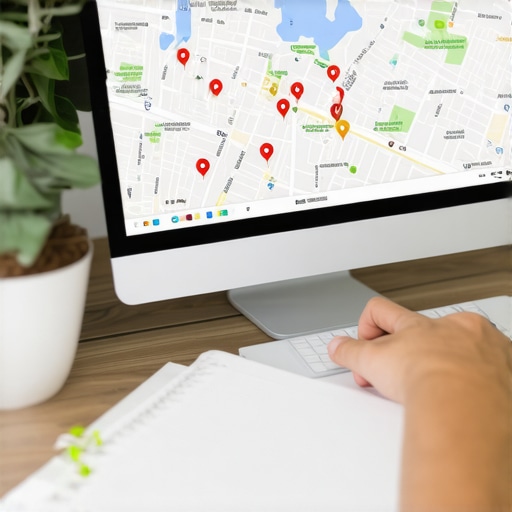 >Many local businesses assume that simply optimizing their Google My Business profile or accumulating reviews guarantees top rankings in the Charlotte local pack. However, this is a misconception that can sabotage your efforts if you’re unaware of the nuanced factors involved. One common myth is that Google’s local algorithm primarily favors businesses with the most reviews or the most backlinks. While these elements help, they often overshadow subtler signals like data accuracy and schema implementation. In my experience, neglecting advanced map optimization tactics—such as precise NAP consistency across all directories and enhanced schema markup—can lead to a persistent underperformance in the 3 pack despite high review counts. A critical mistake is overlooking the importance of local relevance signals; for example, integrating geo-specific keywords naturally into your website’s structured data and content can significantly boost your visibility in Charlotte’s competitive market. To truly dominate in 2026, you must go beyond surface-level tactics and focus on sophisticated optimization techniques that align with Google’s evolving signals.
How can I leverage map signals more effectively to outsmart competitors in Charlotte’s local SEO race?
Focus on implementing location-specific schema markup, embedding Google Map directions on your site, and consistent citation management across North Carolina directories. According to industry studies, these nuanced signals can increase your chances of ranking higher by reinforcing your business’s relevance and trustworthiness in Google’s eyes. Don’t fall into the trap of thinking that generic SEO methods suffice for local dominance; instead, follow a tailored, data-driven approach that considers the complex interplay of signals affecting the local pack rankings. Want to explore more about boosting your local map visibility? Check out Charlotte SEO strategies for 2025 or Unlocking local pack visibility. Have you ever fallen into this trap? Let me know in the comments.
Once you’ve optimized your local SEO and secured a spot in the coveted Google 3 Pack, the journey doesn’t end there. Keeping your rankings stable and continuing to attract local customers requires consistent effort, the right tools, and a strategic approach. I rely on a combination of advanced software and methods tailored to the evolving landscape of Charlotte business SEO to ensure long-term success.
Leverage Citation Management Tools for Consistency
Maintaining NAP consistency across all online directories is critical. I personally use Moz Local because it automatically updates citations and flags discrepancies across hundreds of directories. This minimizes manual errors and ensures Google recognizes my business as a trustworthy entity. Regular audits using these tools help preempt ranking drops caused by inconsistent data, especially as directories update their listings independently. Expect these citation signals to grow in importance as Google refines its understanding of local relevance.
Utilize Schema Markup for Signal Enhancement
Adding structured data to your website isn’t optional anymore; it’s a necessity. I implement local schema markup, especially Google’s recommended LocalBusiness schema, because it explicitly communicates vital information like hours, location, and services. This clear signaling assists Google’s algorithms in reaffirming your relevance. Looking ahead, expert insights, such as Google’s own updates, suggest schema will become even more influential in future rankings.
Embrace Review Automation and Engagement
Generating reviews consistently can be a bottleneck, but tools like Birdeye simplify review collection and response. I schedule automated review requests post-service, which increases my review volume without annoying customers. Responding promptly—not just to positive reviews but also negatives—signals to Google that your business actively engages with local consumers. In Charlotte’s competitive landscape, active review management directly correlates with sustained visibility in the local pack.
Monitor Local Signals with Advanced Analytics
Tracking your local performance is essential. I use BrightLocal to get detailed insights into your local rankings, citations, and reviews. This data helps identify emerging issues before rankings decline. As the trends in local search continue to evolve—especially with AI-powered signals—adapting quickly can be the difference between maintaining or losing your spot in the 3 Pack.
Predicting Future Trends
Looking ahead, AI and machine learning will play a bigger role in local SEO. Tools that analyze local signals and provide actionable recommendations will be standard. As Google continues refining its algorithms—emphasizing user experience and engagement—staying ahead means investing in these innovative tools now. For example, enhanced schema implementations and real-time citation audits will likely become standard practice to sustain top rankings.
How Do I Sustain My Rankings Long-Term?
The key lies in proactive management and automation. Regularly update your citation profiles, optimize schema markup, and actively gather and respond to reviews using dedicated tools. Implementing these strategies consistently ensures your Charlotte business remains a dominant force in local search results. Want to see these tactics in action? Try automating your review collection today with Birdeye, and keep your local pack presence thriving!

What the Hard Lessons Taught Me About Local Rankings
One of the most profound insights I gained was that Google’s local algorithm favors consistency over quick fixes. I used to believe that a handful of reviews and backlinks were enough, but I soon realized that neglecting structured data and citation uniformity cost me precious ranking spots. The lightbulb moment was understanding that local SEO is a marathon, not a sprint, and every detail — from schema markup to citation accuracy — counts. I also learned that staying adaptable to algorithm shifts, especially in 2026, is crucial; what worked last year might be outdated today, so continuous learning and adjustment are essential.
Strategic Resources That Accelerated My Growth
There are a few tools and resources I rely on to stay ahead in Charlotte business SEO. Moz Local became my go-to for citation management because it keeps my NAP consistent across top directories. Google’s structured data guidelines helped me implement schema markup effectively, which clearly signals my relevance. Also, BrightLocal offers invaluable insights into local rankings and review tracking, allowing me to pivot quickly when needed. These tools have made a tangible difference in maintaining and growing my local presence in Charlotte.
Your Turn to Embrace the Power of Local SEO
Now, it’s your opportunity to take your Charlotte business’s visibility to new heights. By applying the lessons learned, leveraging proven tools, and staying proactive, you can dominate the local map pack and attract more local customers. Remember, the path to local SEO success isn’t a one-time effort but a sustained commitment. Are you ready to implement these strategies and see real results? Let’s start the conversation below — I’d love to hear about your experiences or answer your questions on mastering the local map rankings.